كنيسة سيّدة شحلو - القبيّات
كلمة شَحْلُو من السريانيّة تُشير إلى مجرى المياه. هذه المنطقة قديمًا شكلت المدخل الشماليّ للقبيّات، بنى فيها الأهالي معبدًا وثنيًّا ما لبث أن حوّلوه كنيسةً. دمّر المماليك في حملتهم الكنيسة ليبنوا برجًا للمراقبة. هذا البرج دمّره العثمانيّون بعد معركة مرج دابق سنة ١٥١٦. أواسط القرن العشرين أُعيد بناء الكنيسة بشكلها الحاليّ، مع برج ساعةٍ رُفع عليه تمثال للعذراء في تسعينيّات القرن الماضي. تُعتبر هذه الكنيسة مزارًا ومحجًّا للأهالي.
The church of our Lady of Shahlo - Kobbayat
The word Shahlo is from a syriac root referring to a water source. In ancient times the locals built a pagan temple on the site that was converted into the first church. This church was destroyed by the Mamluks who built a tower on the site that was destroyed by the ottomans after the battle of Marj Dabeq in 1516. In the mid XXth century a church was rebuilt in it’s current form, with a bell tower added in the ninties. The church is considered a votive shrine for the villagers.
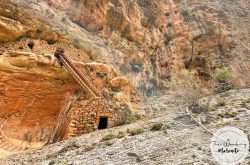
The hermitage of St Simeon the stylite in Wadi al-Bouwayli'e - 'Abeydat The monastery is a hollowed-out cavity in the rock, containing frescoes dating back to the XIIth century. Among these wall paintings is the depiction of the deisis, as well as Syriac inscriptions, of which only a few remain due to natural factors and human ignorance. Access to the monastery's chambers is achieved through newly installed wooden and iron ladders. Adjacent to the Mar Simeon monastery is the St Moura's Church, which is a carved cave in the rock. According to experts, the wall paintings in 'Abeydat belong to the same artist who painted the wall paintings in the Mar Tadros Church in Behadidat.
La Ermita de San Simeón el estilita en Wadi al-Bouwayli'e - 'Abeydat El monasterio es una cavidad excavada en la roca, que contiene frescos que datan del siglo XII. Entre estas pinturas murales se encuentra la representación de la deisis, así como inscripciones siríacas, de las cuales, debido a factores naturales y la ignorancia humana, solo quedan unas pocas. Para acceder a las cámaras del monasterio se utilizan las escaleras de hierro y madera recién instaladas. Colindante al monasterio de San Simeon se encuentra la iglesia de San Moura, que es una cueva tallada en la roca. Según los expertos, las pinturas murales de 'Abeydat pertenecen al mismo artista que pintó las pinturas murales de la iglesia de San Tadros en Behadidat
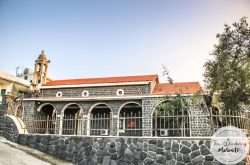
بُنيت الكنيسة الأولى مع قدوم المسيحيّين إلى البلدة في القرن الثامن عشر، وكانت كنيسة صغيرة قليلة الإرتفاع تعرف بالقبو. تعرّضت هذه الكنيسة للتخريب في أحداث سنة ١٨٦٠. سنة ١٩١٤ ومع ازدياد عدد الأهالي، تقرّر بناء كنيسةٍ أكبر في الموضع عينه. فبدأ المشروع في عهد المطران بولس بصبوص والخوري بطرس كسّاب، نفّذه المعمار الياس قسطنطين من عبرا. وهي كنيسة بسوقٍ واحد ينتهي بحنية وسقف قرميد. في ستّينيات القرن العشرين أضيفت إلى قبّتها برج للجرس عند الواجهة الغربيّة. اللوحة التصويريّة من عمل راجي الحاج تعود لسنة ١٩٣٩. تعرّضت الكنيسة للعبث سنة ١٩٨٥ مع تهجير المسيحيّين من شرق صيدا، وأخذَت حلّةً جديدةً بالترميم في أواخر تسعينات القرن العشرين.
The church of St George - Qrayeh Sidon
The first church was built with the settlement of christians in the region in the XVIIIth century. It was known as the Qabou (the cellar) hence it was a small structure. It was sabotaged in the war of 1860. In 1914 with the growth of the congregation, the village needed a new church. The construction began during the pontificate of Bishop Boulos Basbous and Fr. Boutros Kassab, construction was executed by Elias Constantin from Abra. The church is of a single nave ending with an apse, and a brick roof. During the late sixties a bell tower was added to the original old one on the western side. The painting is the work of Raji el Hajj 1939. The church was sabotaged during the civil war in 1985, and restored in the last decade of the XXth century.
40 Martyrs Church, Qoubaiyat El Gharbiyeh, Lebanon
كنيسة الأربعين شهيد
Qbaiyat Aakkar
Akkar
Akkar
كنيسة الأربعين شهيد - الغربيّة القبيّات
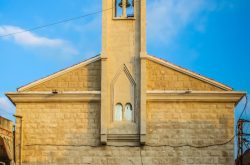
بُنيت الكنيسة الأولى في القرن السادس عشر في المحلّة التي تعرف بالقبيّات العتيقة. ومن أبرز أبنائها في تلك الحقبة الأولى سمعان ابن شمعة الذي كتب مدحًا في البطريرك موسى سعادة العكّاري سنة ١٥٥٧ بحسب سلسلة البطاركة التي كتبها البطريرك الدويهيّ. أعيد بناء الكنيسة سنة ١٩٢٥ وكرّسها رئيس أساقفة طرابلس آنذاك المطران أطون عريضه (البطريرك لاحقً). الكنيسة مبنيّة بالحجر البركانيّ الأسود، مؤلفة من سوق واحد بحنية نصف دائريّة. رمّمت في العقد الأخير ممّا أضفى على داخلها نمطًا حديثًا في الهندسة يختلف عن نمطها الخارجيّ.
The church of the Forty Martyrs - El Gharbye Kobayat
The first church was originally built in the XVIth century in the locality known as Kobayat el Atiqa (the old Kobayat). One of its most famous parishioners from that era is Semaan Ibn Shamaa el Kobayati who wrote a eulogy for patriarch Moussa Saade el Akkari in 1557, according to the patriarchal list written by patriarch El Douwaihy. The church was rebuilt in 1925 and consecrated by the archbishop of Tripoli Mgr. Antoun Arida (later patriarch). The church is built with black basalt, it consists of a single nave with a semi circular apse. It was restored in the last decade, with a modern interior that is in real contrast with the exterior.



Reviews are disabled, but trackbacks and pingbacks are open.